
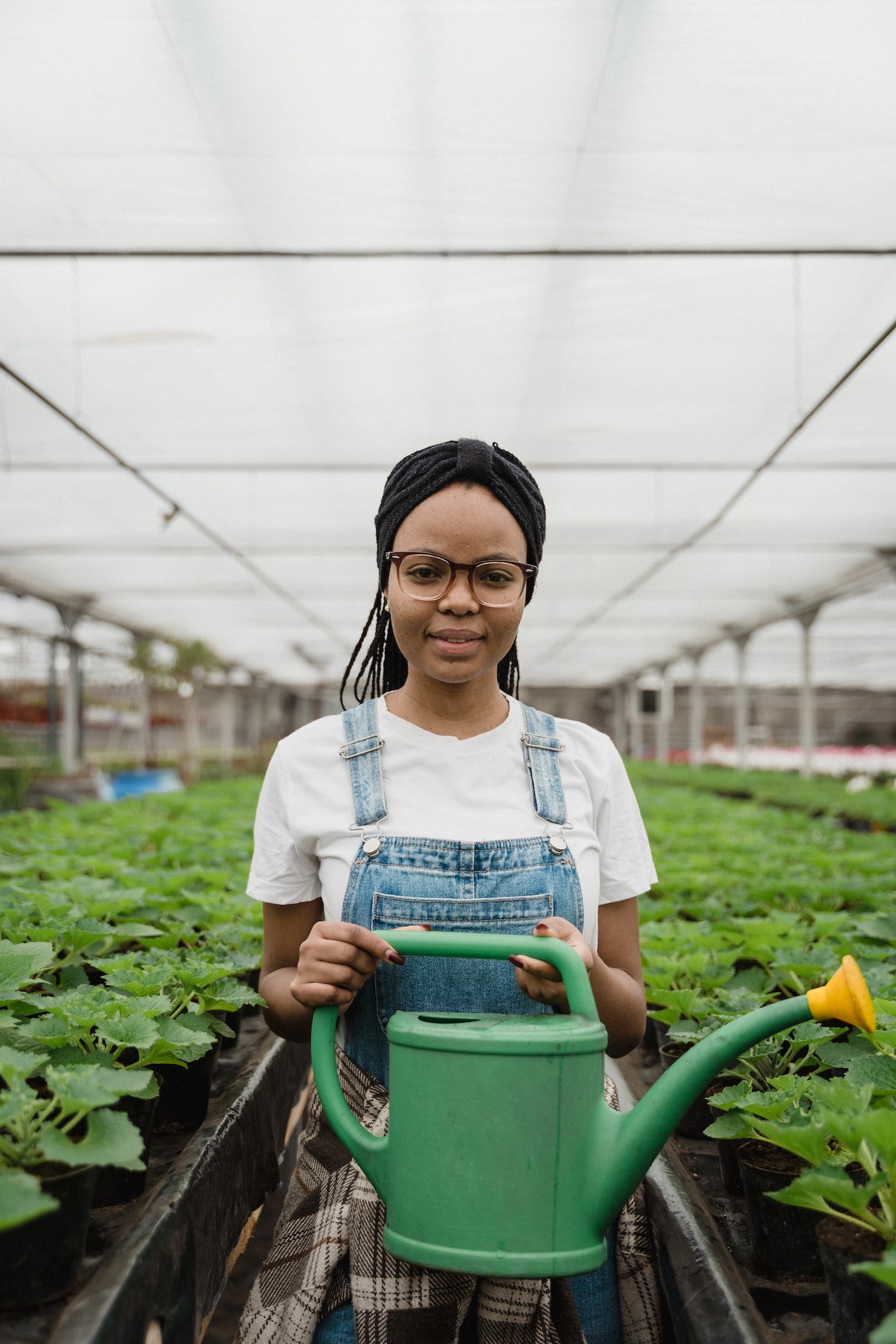
Starting a community garden project can be a wonderful way to earn some money, improve your community, and help others while engaging in a sustainable and environmentally friendly activity. Here are some steps to get you started:
- Research and Planning: Begin by researching the needs and interests of your community. Find out if there’s a demand for fresh, locally grown produce and if there are suitable locations for a community garden. Identify potential partners or sponsors who might be interested in supporting your project financially or with resources.
- Community Involvement: Engage with your community and build a team of like-minded individuals who share your passion for the project. Recruit volunteers to help with planning, setup, and ongoing maintenance of the garden.
- Securing Land: One of the primary challenges can be securing land for your community garden. You can approach local government bodies, schools, religious institutions, or private landowners to see if they would be willing to donate or lease a portion of land for the project.
- Fundraising and Grants: Organize fundraising events, seek donations from local businesses, and explore grant opportunities that support community initiatives, sustainable agriculture, or environmental projects.
- Membership and Fees: Consider setting up a membership system or charging a small fee for individuals or families who want to use a plot in the community garden. These funds can be used to cover expenses and generate revenue for the project.
- Community Supported Agriculture (CSA): You could explore the option of running a CSA program where people in the community can subscribe to receive regular shares of the produce from the garden. This can provide a stable income stream for the project.
- Workshops and Classes: Offer gardening workshops, cooking classes, or other educational events related to gardening and sustainable living. Charge a fee for participation, and the proceeds can go toward supporting the garden.
- Local Produce Market: Organize a regular farmers’ market or a stall at existing markets where you can sell the surplus produce from the community garden.
- Sponsorship and Partnerships: Collaborate with local businesses, restaurants, or grocery stores to supply them with fresh produce in exchange for sponsorship or financial support.
- Compost and Mulch Sales: If your garden generates excess compost or mulch, consider selling it to gardeners in the area.
- Community Events: Organize community events, such as garden parties, plant sales, or harvest festivals, and charge entry fees or ask for donations to support the garden.
- Eco-Tourism and Work Exchanges: Depending on your location and resources, you could explore eco-tourism opportunities or offer work exchange programs where people can stay and work in the garden in exchange for room and board.
Starting a community garden project can be a wonderful way to earn some money, improve your community, and help others while engaging in a sustainable and environmentally friendly activity. Here are some steps to get you started:
- Research and Planning: Begin by researching the needs and interests of your community. Find out if there’s a demand for fresh, locally grown produce and if there are suitable locations for a community garden. Identify potential partners or sponsors who might be interested in supporting your project financially or with resources.
- Community Involvement: Engage with your community and build a team of like-minded individuals who share your passion for the project. Recruit volunteers to help with planning, setup, and ongoing maintenance of the garden.
- Securing Land: One of the primary challenges can be securing land for your community garden. You can approach local government bodies, schools, religious institutions, or private landowners to see if they would be willing to donate or lease a portion of land for the project.
- Fundraising and Grants: Organize fundraising events, seek donations from local businesses, and explore grant opportunities that support community initiatives, sustainable agriculture, or environmental projects.
- Membership and Fees: Consider setting up a membership system or charging a small fee for individuals or families who want to use a plot in the community garden. These funds can be used to cover expenses and generate revenue for the project.
- Community Supported Agriculture (CSA): You could explore the option of running a CSA program where people in the community can subscribe to receive regular shares of the produce from the garden. This can provide a stable income stream for the project.
- Workshops and Classes: Offer gardening workshops, cooking classes, or other educational events related to gardening and sustainable living. Charge a fee for participation, and the proceeds can go toward supporting the garden.
- Local Produce Market: Organize a regular farmers’ market or a stall at existing markets where you can sell the surplus produce from the community garden.
- Sponsorship and Partnerships: Collaborate with local businesses, restaurants, or grocery stores to supply them with fresh produce in exchange for sponsorship or financial support.
- Compost and Mulch Sales: If your garden generates excess compost or mulch, consider selling it to gardeners in the area.
- Community Events: Organize community events, such as garden parties, plant sales, or harvest festivals, and charge entry fees or ask for donations to support the garden.
- Eco-Tourism and Work Exchanges: Depending on your location and resources, you could explore eco-tourism opportunities or offer work exchange programs where people can stay and work in the garden in exchange for room and board.
Remember that starting a community garden project requires dedication, patience, and effort, but it can be a rewarding endeavor that benefits both you and your community in multiple ways.
Earn money by starting a community garden project!